
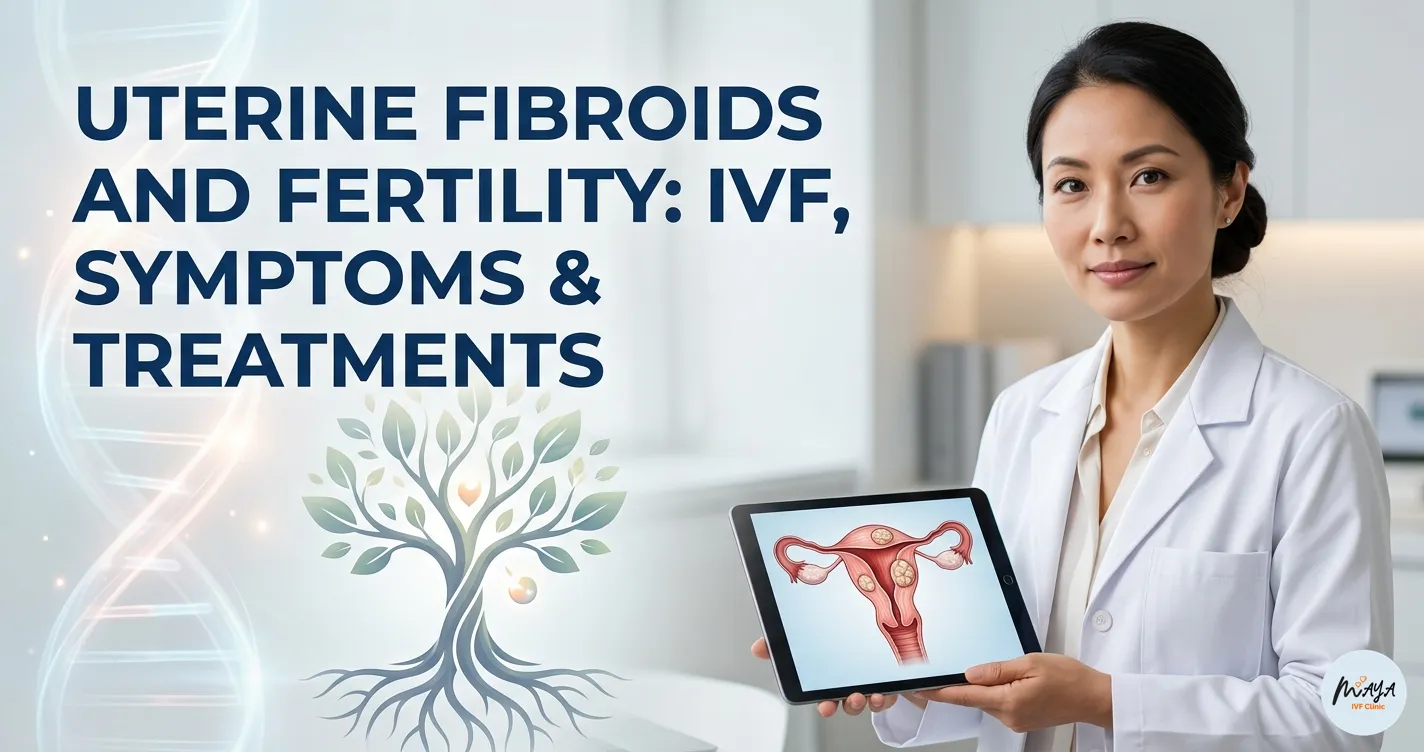
Diagram showing different types and locations of uterine fibroids within and around the womb.
Blog Details
- Home
- Blog Details
Uterine Fibroids and Fertility: IVF, Symptoms & Treatments
Trying to start or grow your family can be an emotional roller coaster ride. So, when you receive a scan result indicating you have fibroids, it is completely understandable to feel nervous or unsure about what this means for you and your family-building plans or upcoming fertility treatments. The good news is that having fibroids is extremely common, and in most cases, there is nothing to worry about. In fact, some women are unaware of having fibroids altogether. However, in some cases, depending on the size and location of the fibroids, this can sometimes impact the way the uterus works, which can then impact conception or pregnancy. The good news is that having fibroids doesn’t necessarily mean you will struggle to conceive or have difficulty becoming pregnant. In fact, with the right evaluation and care, you can go on to become pregnant naturally or even with the help of IVF or other fertility treatments. The first step in taking back your fertility and making informed decisions is being well-informed about your condition.
What Are Uterine Fibroids?
Fibroids are non-cancerous growths that occur inside or around the uterus. They consist of muscle and tissue fibers and can range from small, seed-like growths to large growths that can change the shape of the uterus. Many women have fibroids and don’t even know it, as they can occur with no symptoms. There are different locations where fibroids can occur. They can occur inside the uterine wall, inside the uterine cavity, or on the surface of the uterus. The size and location of fibroids can affect a woman’s health or fertility. In women seeking to conceive or those undergoing IVF therapy, it is important to understand the type and location of fibroids.
Are Uterine Fibroids Cancerous?
One of the first questions that arises after being diagnosed with fibroids is whether they could be cancerous. The good news is that uterine fibroids are almost always benign. They are very different from uterine cancer, and the chances of a fibroid becoming malignant are extremely low. The diagnosis of fibroids is usually confirmed by imaging tests like ultrasound or MRI scans. Regular follow-ups ensure that any unusual growths are picked up early, and women can have peace of mind.
One of the first questions that arises after being diagnosed with fibroids is whether they could be cancerous. The good news is that uterine fibroids are almost always benign. They are very different from uterine cancer, and the chances of a fibroid becoming malignant are extremely low. The diagnosis of fibroids is usually confirmed by imaging tests like ultrasound or MRI scans. Regular follow-ups ensure that any unusual growths are picked up early, and women can have peace of mind.
Causes of Uterine Fibroids
The exact cause of fibroids is not fully understood, but several factors contribute to their development:
Hormones: Estrogen and progesterone influence fibroid growth. Fibroids usually develop during reproductive years and may shrink after menopause.
Genetics: Women with a family history of fibroids are more likely to develop them.
Age & Lifestyle: Fibroids are more common as women age, and factors like diet, weight, and overall reproductive health may play a role.
Uterine Fibroids Symptoms
Uterine fibroids may vary from one woman to another. Some women may feel discomfort, while others may not experience any symptoms at all. Being aware of the symptoms will help you detect any problems early on.
Hormones: Estrogen and progesterone influence fibroid growth. Fibroids usually develop during reproductive years and may shrink after menopause.
Genetics: Women with a family history of fibroids are more likely to develop them.
Age & Lifestyle: Fibroids are more common as women age, and factors like diet, weight, and overall reproductive health may play a role.
Uterine Fibroids Symptoms
Uterine fibroids may vary from one woman to another. Some women may feel discomfort, while others may not experience any symptoms at all. Being aware of the symptoms will help you detect any problems early on.
Heavy Menstrual Bleeding
One of the most common signs of fibroids in women includes very heavy periods. Women with fibroids experience very large clots during their periods. They also experience periods that last longer than usual. This makes them weak due to anemia.
Pelvic Pain and Pressure
Fibroids can cause a feeling of pressure or fullness in the lower abdomen. The discomfort can vary from mild to moderate and can even involve the lower back. Larger fibroids, especially on the outside of the uterus, can press on other organs and cause constant pelvic discomfort.
Frequent Urination
Fibroids that put pressure on the bladder can lead to an increased need to urinate, which can sometimes interfere with sleep or daily activities. Fibroids that press against the rectum can lead to constipation or difficulties during bowel movements, depending on their location.
Fibroids that put pressure on the bladder can lead to an increased need to urinate, which can sometimes interfere with sleep or daily activities. Fibroids that press against the rectum can lead to constipation or difficulties during bowel movements, depending on their location.
When Fibroids Cause No Symptoms
It should be noted that there are many women who have fibroids and don’t even know they have them. Such fibroids are usually detected by chance during routine scans or assessments done for infertility. It should also be noted that fibroids can sometimes affect infertility and IVF treatment, even if they don’t have symptoms.
Types of Uterine Fibroids and Why Location Matters
Uterine fibroids may develop in various regions of the uterus, and this depends on whether the fibroids will cause symptoms or affect fertility. Knowing the type of fibroid you have is significant, especially when you are contemplating pregnancy or IVF.
Submucosal Fibroids
Submucosal fibroids grow just under the uterine lining and can extend into the uterine cavity. They are not common but are the most likely to affect fertility or implantation because they could interfere with the space where a fertilized egg would implant. Women with submucosal fibroids may experience heavier periods or a greater chance of miscarriage.
Intramural Fibroids
Intramural fibroids are those that develop inside the muscular wall of the uterus. They are the most common type of fibroids and, in some cases, may alter the shape of the uterus. Although most intramural fibroids are not related to fertility, the larger ones may lower the chances of successful implantation or IVF.
Subserosal Fibroids
On the outer surface of the uterus, subserosal fibroids grow. These fibroids do not often interfere with fertility, but large subserosal fibroids can cause discomfort due to their pressure on adjacent organs, like the bladder or bowel.
Uterine fibroids may develop in various regions of the uterus, and this depends on whether the fibroids will cause symptoms or affect fertility. Knowing the type of fibroid you have is significant, especially when you are contemplating pregnancy or IVF.
Submucosal Fibroids
Submucosal fibroids grow just under the uterine lining and can extend into the uterine cavity. They are not common but are the most likely to affect fertility or implantation because they could interfere with the space where a fertilized egg would implant. Women with submucosal fibroids may experience heavier periods or a greater chance of miscarriage.
Intramural Fibroids
Intramural fibroids are those that develop inside the muscular wall of the uterus. They are the most common type of fibroids and, in some cases, may alter the shape of the uterus. Although most intramural fibroids are not related to fertility, the larger ones may lower the chances of successful implantation or IVF.
Subserosal Fibroids
On the outer surface of the uterus, subserosal fibroids grow. These fibroids do not often interfere with fertility, but large subserosal fibroids can cause discomfort due to their pressure on adjacent organs, like the bladder or bowel.
Intramural fibroids are those that develop inside the muscular wall of the uterus. They are the most common type of fibroids and, in some cases, may alter the shape of the uterus. Although most intramural fibroids are not related to fertility, the larger ones may lower the chances of successful implantation or IVF.
Subserosal Fibroids
On the outer surface of the uterus, subserosal fibroids grow. These fibroids do not often interfere with fertility, but large subserosal fibroids can cause discomfort due to their pressure on adjacent organs, like the bladder or bowel.
Can Uterine Fibroids Prevent Pregnancy?
Uterine fibroids are stressful and disturbing to learn about, especially if you are planning to conceive. The first thing that comes to mind is whether you can ever conceive because of these fibroids. Fortunately, most fibroids do not hinder conception. Most women who have fibroids, even if they are not aware they have them, conceive naturally without any complications. Fibroids can hinder conception, but this is usually dependent on the size and location of the fibroids. Small fibroids are not known to cause infertility, but submucosal fibroids, which develop just below the uterine wall, can hinder conception. Large fibroids located in other areas, like the muscle wall and outer surface, can hinder conception if they distort the form of the uterus and alter the reproductive path.
Fibroids can cause miscarriage, but this is minimal. This happens if they distort the uterine space and decrease blood flow to the uterine wall. This is why it is vital to understand how fibroids affect your uterus and how they can hinder your chances of conceiving. With a better understanding, you can make better decisions and conceive, even if you have fibroids, naturally and even through other medical procedures like IVF.
Uterine Fibroids and Fertility: What Is the Real Risk?
For many women, uterine fibroids are a source of concern, especially in terms of fertility. However, the actual influence of uterine fibroids on fertility varies depending on the size and location of the fibroids. If the fibroids are small and do not distort the uterine cavity, their influence on fertility is minimal or none. However, for women with large uterine fibroids, especially those that develop inside or just beneath the uterine lining, the size of the uterus may change, making it difficult for a fertilized egg to implant in the uterus. Uterine fibroids influence the uterus in a number of ways, such as distorting the uterine cavity, pressing on the fallopian tubes, or altering the blood flow to the uterine lining. This may make it difficult for a fertilized egg to implant in the uterus.
In addition to this, there are chances of complications in pregnancy in some cases of fibroids. However, depending on the size and location of the fibroids, there is a risk of miscarriage or discomfort in pregnancy. But it is always important to note that not all fibroids lead to complications in pregnancy. There is a chance for women with fibroids to have a successful pregnancy with proper evaluation and treatment. The evaluation of the real risk of fibroids helps women make the right decision in fertility treatment and IVF procedures.
How Are Uterine Fibroids Diagnosed?
Learning that you could have fibroids can be worrisome, but the bright side is that current technology has made it easier than ever to grasp what is going on in your uterus. Diagnosis is the first step towards getting tailored care, fertility planning, and peace of mind.
Ultrasound—The First Step
For most women, the first diagnostic test for fibroids is a pelvic ultrasound. This test is quick, painless, and highly successful in determining the size, number, and location of fibroids in the uterus. Whether you are having symptoms or are undergoing a fertility test, a pelvic ultrasound will give you a clear picture of your uterus.
Hysteroscopy—Looking Inside the Uterine Cavity
In cases where the fibroid is suspected of affecting the uterine cavity, your doctor might recommend a hysteroscopy. This is a medical procedure in which a small camera is inserted into the cervix to allow your doctor to view the inside of the uterus. This will help your doctor to view submucosal fibroids and determine whether they should be removed for better fertility and IVF outcomes.
MRI—For Detailed Mapping
In other cases, if the fibroids are large in number or size, an MRI scan may be employed for mapping. This will enable your specialist to know the exact location of the fibroids, how they are affecting your uterine structure, and the best way to go about treating them. The important thing to remember here is that diagnosis is empowering. With this knowledge, you and your fertility team can make informed decisions about your IVF treatment and take the right steps towards a healthy pregnancy.
In cases where the fibroid is suspected of affecting the uterine cavity, your doctor might recommend a hysteroscopy. This is a medical procedure in which a small camera is inserted into the cervix to allow your doctor to view the inside of the uterus. This will help your doctor to view submucosal fibroids and determine whether they should be removed for better fertility and IVF outcomes.
MRI—For Detailed Mapping
In other cases, if the fibroids are large in number or size, an MRI scan may be employed for mapping. This will enable your specialist to know the exact location of the fibroids, how they are affecting your uterine structure, and the best way to go about treating them. The important thing to remember here is that diagnosis is empowering. With this knowledge, you and your fertility team can make informed decisions about your IVF treatment and take the right steps towards a healthy pregnancy.
Fibroid Treatment Options
Once fibroids are diagnosed, it is normal to wonder or even worry about what to do next. However, the good news is that there are many safe and effective treatments available, and the best one for you will depend on your symptoms, the size and position of your fibroids, and your wish for future fertility. Learning about your choices will help you feel more confident and in control.
Monitoring
Not all fibroids require treatment. If the fibroids are small and are not causing any symptoms or problems with pregnancy, they can simply be watched. This will allow your physician to monitor their growth and make sure that nothing changes that might impact pregnancy. This is a very safe and often the best option for women who are currently not experiencing any symptoms.
Not all fibroids require treatment. If the fibroids are small and are not causing any symptoms or problems with pregnancy, they can simply be watched. This will allow your physician to monitor their growth and make sure that nothing changes that might impact pregnancy. This is a very safe and often the best option for women who are currently not experiencing any symptoms.
Medications for Symptom Relief
If your fibroids are causing you to have heavy bleeding, pain, or pressure, medications can be used to alleviate these symptoms. Hormonal medications, such as birth control or other hormone-managing medications, can slow the bleeding and make life easier for you. Although medications won’t get rid of your fibroids, they can make you feel better while you determine what to do next regarding your fertility.
Myomectomy for Fibroids
A myomectomy is a type of surgery where fibroids are removed with the uterus left intact. It is usually suggested when fibroids have distorted the uterine cavity or have the potential to affect fertility and/or IVF treatment. It has been proven that minimally invasive procedures can speed up recovery time. Research has demonstrated that myomectomy can increase the chances of conceiving, particularly if the fibroids are of the submucosal or large intramural type.
Should Fibroids Be Removed Before IVF
It is completely normal if you are preparing for IVF; you are now faced with the diagnosis of fibroids and are wondering, "Is it really necessary for me to have surgery first if I want to undergo IVF?" The honest answer is, it depends. There is no simple yes or no to this, and it is based on how large, what kind, and where your fibroids are and how they might impact your chances of getting pregnant.
Best Treatment for Fibroids Before IVF
The best course of action will depend on your unique circumstances. In some cases, hysteroscopy, a minimally invasive diagnostic and therapeutic procedure, is needed to remove smaller fibroids that distort the cavity of the uterus. In other cases, myomectomy is advised for larger fibroids. In other cases still, small fibroids that do not distort the uterine cavity can simply be left alone, and IVF can go ahead as planned. Your fertility doctor will assess the risks and benefits of all this and recommend the best course of action for you.
Individual Fertility Treatment Planning
Every woman's fertility journey is as unique as she is. Fibroid removal prior to IVF is a personal decision based on your age, ovarian reserve, prior IVF history, and your overall reproductive health. Many women with fibroids are able to successfully conceive with IVF and go on to have healthy babies after fibroid removal.
It is completely normal if you are preparing for IVF; you are now faced with the diagnosis of fibroids and are wondering, "Is it really necessary for me to have surgery first if I want to undergo IVF?" The honest answer is, it depends. There is no simple yes or no to this, and it is based on how large, what kind, and where your fibroids are and how they might impact your chances of getting pregnant.
Best Treatment for Fibroids Before IVF
The best course of action will depend on your unique circumstances. In some cases, hysteroscopy, a minimally invasive diagnostic and therapeutic procedure, is needed to remove smaller fibroids that distort the cavity of the uterus. In other cases, myomectomy is advised for larger fibroids. In other cases still, small fibroids that do not distort the uterine cavity can simply be left alone, and IVF can go ahead as planned. Your fertility doctor will assess the risks and benefits of all this and recommend the best course of action for you.
Individual Fertility Treatment Planning
Every woman's fertility journey is as unique as she is. Fibroid removal prior to IVF is a personal decision based on your age, ovarian reserve, prior IVF history, and your overall reproductive health. Many women with fibroids are able to successfully conceive with IVF and go on to have healthy babies after fibroid removal.
Every woman's fertility journey is as unique as she is. Fibroid removal prior to IVF is a personal decision based on your age, ovarian reserve, prior IVF history, and your overall reproductive health. Many women with fibroids are able to successfully conceive with IVF and go on to have healthy babies after fibroid removal.
When Should You See a Fertility Specialist
While it can be very exciting to start a family, it can also be very stressful, particularly if you have been previously told you have fibroids. It is completely normal to have a level of uncertainty or even anxiety about what the next steps should be. Understanding when to seek a specialist can be very beneficial in helping you gain clarity and confidence.
You might consider seeing a specialist if:
You’ve been trying to conceive for six months to a year without success, or sooner if you’re over 35.
You experience heavy periods, pelvic discomfort, or unusual pressure, which could be linked to fibroids.
You’ve been diagnosed with large or submucosal fibroids that might interfere with implantation or pregnancy.
You’re planning IVF or other fertility treatments and want expert guidance on how fibroids could affect your chances.
Uterine fibroids are natural, and it is normal to feel overwhelmed when diagnosed with uterine fibroids, especially if you are contemplating having a baby or expanding your family. It is normal to have questions or even doubts regarding your fertility. The good news is that fibroids are mostly benign in nature and are not indicative of an inability to conceive. In fact, there are many women who have successfully conceived, either naturally or through IVF, after proper evaluation, management, and treatment. Every woman’s condition is unique, and the first step in making an informed decision regarding your condition is to understand your fibroids. This includes the size, number, and impact they have on the uterus. This could range from simply keeping an eye on small and asymptomatic fibroids to managing them through medications or considering surgical options like myomectomy or hysteroscopy for fibroids before opting for IVF. Your fertility journey doesn’t have to be controlled by fibroids. Seeking advice from a fertility expert at an early stage will help you make sense of your condition and ensure you have the best chance at a successful pregnancy.
Frequently Asked Questions (FAQs) About Uterine Fibroids and Fertility
You’ve been trying to conceive for six months to a year without success, or sooner if you’re over 35.
You experience heavy periods, pelvic discomfort, or unusual pressure, which could be linked to fibroids.
You’ve been diagnosed with large or submucosal fibroids that might interfere with implantation or pregnancy.
You’re planning IVF or other fertility treatments and want expert guidance on how fibroids could affect your chances.
Can uterine fibroids prevent pregnancy?
For most women, fibroids don’t prevent them from getting pregnant. Women with small or symptom-free fibroids are able to conceive naturally without any problems. However, it all depends on the size, number, and location of fibroids. Fibroids that invade the uterine cavity are called submucosal fibroids. These fibroids make it harder for a woman to get pregnant or slightly increase the chances of miscarriages.
Do fibroids affect embryo implantation?
Fibroids can impact the uterus in several ways that might affect the implantation of the embryo, especially when they cause distortion of the uterine cavity or when they cause a decrease in blood flow to the lining of the uterus. However, not all fibroids cause problems with implantation, and with the right evaluation, it is possible to determine whether they need to be treated or removed.
When is myomectomy necessary for pregnancy?
A myomectomy is usually recommended if fibroids are large, numerous, or distort the uterine cavity in a way that could reduce the chances of pregnancy or IVF success. It’s a safe procedure designed to preserve the uterus while removing fibroids that could interfere with conception. Your fertility specialist will evaluate your individual situation to decide whether surgery is the best option.
Can I get pregnant naturally with fibroids?
Yes! Many women with fibroids conceive successfully during their natural cycles. However, the type, size, and position of the fibroids are essential in determining their influence on fertility. Fibroids smaller than 1 cm in size and those not distorting the uterine cavity are not known to influence fertility in any way. Your doctor will guide you on the best course of action to increase your chances of conception with regular monitoring.
Our Latest Blogs

Myths and Facts about Infertility
When it comes to infertility, there are a lot of myths revolving around it in our society.Initially,...
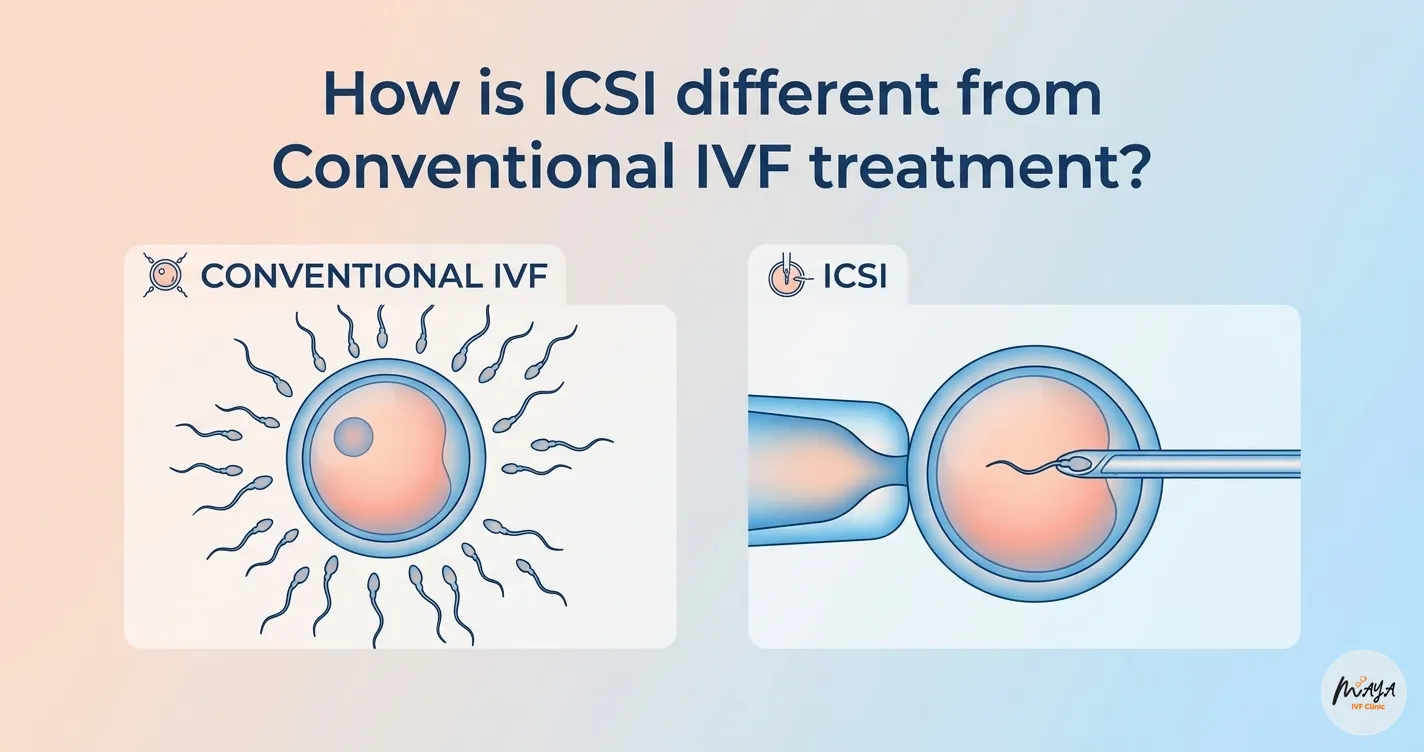
How is ICSI different from Conventional IVF treatm...
ICSI and Conventional IVF both are forms of assisted reproductive treatment (ART) in which eggs are...
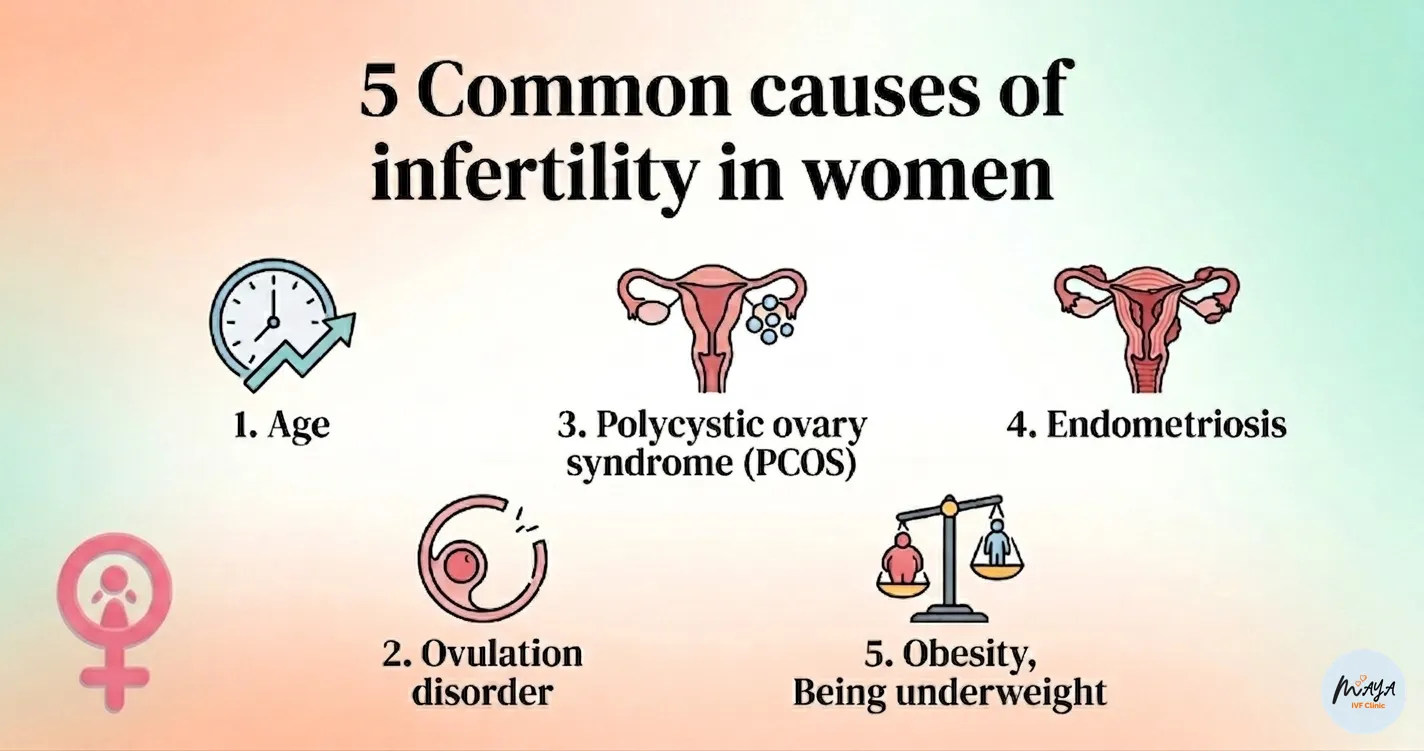
5 Common causes of infertility in women
A condition is diagnosed as infertility when a heterosexual couple is unable to conceive after one y...

 Nepal International Fertility and Laparoscopic Centre (NIFLC).
All rights reserved.
Nepal International Fertility and Laparoscopic Centre (NIFLC).
All rights reserved.