
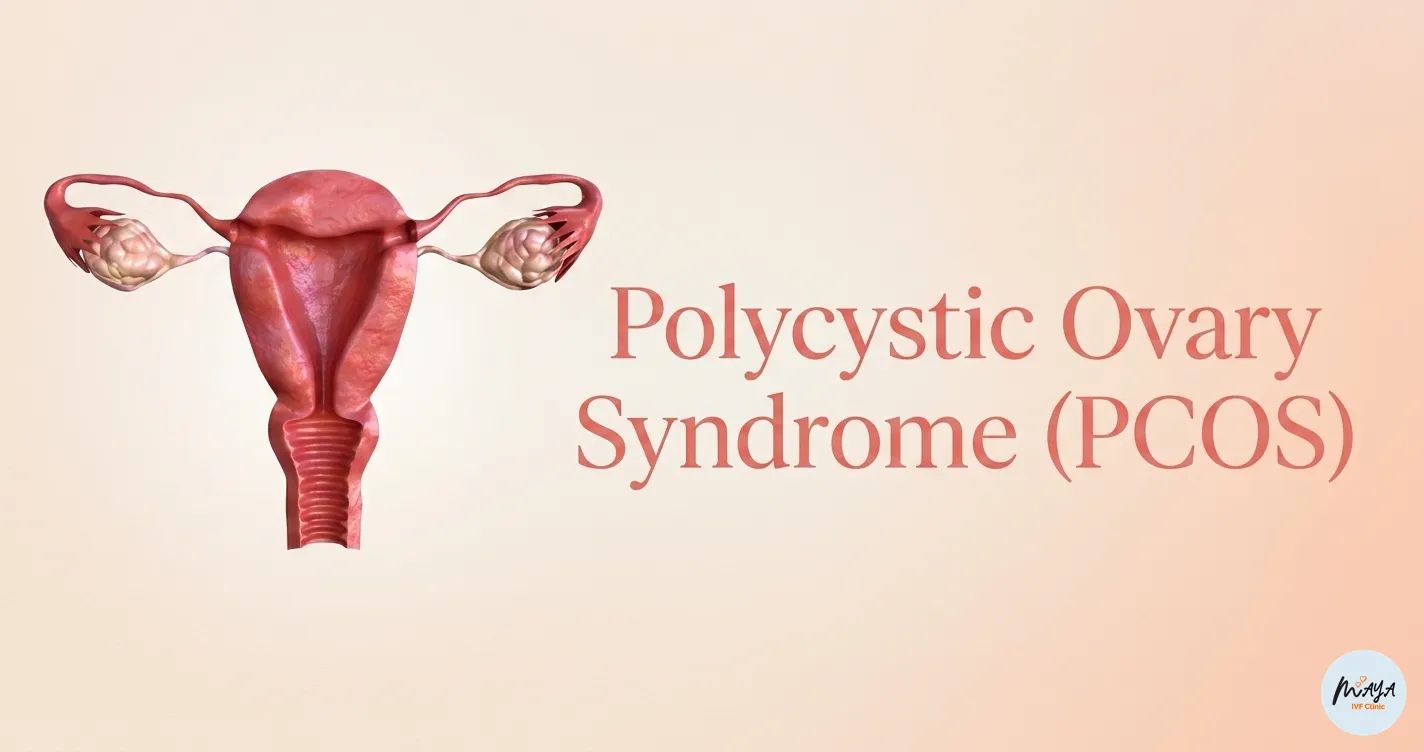
PCOS, hormonal imbalance, ovarian cysts, and related fertility issues.
Blog Details
- Home
- Blog Details
Polycystic Ovary Syndrome (PCOS)
Polycystic Ovary Syndrome (PCOS) is a common hormonal disorder that affects many women in their reproductive years and can lead to irregular menstruation, hair growth in areas where males typically grow hair, acne, and problems with fertility. If diagnosed early on and successfully managed through changes in lifestyle, medical treatment, or assisted reproductive technology, most women will have their symptoms effectively regulated and be able to have a healthy pregnancy.
What is Polycystic Ovary Syndrome (PCOS)?
Polycystic Ovarian Syndrome (PCOS), an endocrine disorder characterized by the abuse of testosterone, can affect any woman of reproductive age. During PCOS, an individual produces excessive amounts of several different hormones known collectively as androgens, which interfere with the normal monthly release of the female egg (i.e., anovulation). PCOS often results in either irregular or absent menstrual periods, and those women who do discharge an egg experience ovulatory difficulties and/or difficulties with conception.
Acne, excessive facial and body hair, thinning scalp hair, and weight gain are also possible symptoms of PCOS. The severity of these symptoms varies from one woman to another and can range from mild to very noticeable. Many women do not learn they have the condition until they have difficulty becoming pregnant.
Although the exact cause of PCOS is not entirely understood, it is thought that factors such as genetics, insulin resistance, and hormonal imbalance may all play a part. Early diagnosis is the first step towards effective management, as the disorder can lead to complications such as diabetes, hypertension, and an imbalance of cholesterol in the blood.
The good news is that PCOS can be controlled. By making lifestyle changes and taking the right medications and fertility treatments, most women with PCOS can normalize their menstrual cycles, improve their health, and have a healthy baby.
Symptoms of Polycystic Ovary Syndrome (PCOS)
PCOS can affect women in different ways, and the level of symptoms can vary from person to person. Some women may experience minor symptoms, while others can experience significant changes. The symptoms include:
Irregular periods: Your menstrual cycles may be longer, shorter, or sometimes stop completely. This happens because ovulation is not regular.
Difficulty getting pregnant: Irregular or absent ovulation can make conceiving more challenging.
Excess hair growth (hirsutism): You may notice unwanted hair on the face, chest, or abdomen due to higher androgen levels.
Acne and oily skin: Hormonal changes can trigger persistent acne, often on the face, chest, or back.
Weight changes or difficulty losing weight: Many women find it harder to manage their weight, particularly around the belly.
Thinning hair on the scalp: Hair may become finer or begin to thin in certain areas.
Fatigue and mood changes: Hormonal imbalance and insulin resistance can contribute to low energy, irritability, or mood swings.
Causes of Polycystic Ovary Syndrome (PCOS)
The exact reason for PCOS is not known, although research has found that the disorder may result from the interaction of genetic, hormonal, and lifestyle factors. Understanding the reasons for PCOS can help you cope with the disorder more effectively.
Hormonal Imbalance: Women with PCOS often have higher levels of male hormones (androgens), which can interfere with the normal growth and release of eggs. This imbalance is responsible for irregular periods, acne, and excess hair growth.
Insulin Resistance: Many women with PCOS have insulin resistance, meaning the body’s cells do not respond properly to insulin. This can lead to higher insulin levels, weight gain, and increased androgen production, which may worsen symptoms.
Genetic Factors: PCOS often runs in families. If your mother or sister has PCOS, your risk may be higher. Researchers believe multiple genes may influence susceptibility.
Inflammation: Low-grade inflammation in the body may stimulate the ovaries to produce excess androgens, contributing to PCOS symptoms.
How PCOS Affects Fertility and Pregnancy
Polycystic Ovary Syndrome (PCOS) makes it difficult to conceive, but it doesn’t mean that it’s impossible to get pregnant. The reason why PCOS impacts fertility is the lack of ovulation. If the ovary doesn’t release the egg regularly, there’s a chance that the egg will not be fertilized. If you would like to know more about how to cope with PCOS and fertility, check out the article PCOS and Fertility.
Fertility Challenges Associated with PCOS
Irregular Ovulation: Women with PCOS may not ovulate every month, which can delay conception.
Egg Quality: Hormonal imbalances in PCOS may affect egg development, sometimes requiring medical support for conception.
Higher Risk of Miscarriage: Studies show women with untreated PCOS may have a slightly increased risk of early miscarriage, often related to insulin resistance or hormonal imbalance.
Associated Health Conditions: PCOS can increase the likelihood of diabetes, high blood pressure, or obesity, which may also affect fertility and pregnancy outcomes.
Positive Outlook
The encouraging news is that most women with PCOS can achieve a healthy pregnancy with the right care. Treatments may include:
Lifestyle Modifications: A balanced diet, regular exercise, and weight management can improve ovulation and fertility.
Medications to Support Ovulation: Doctors may prescribe clomiphene or letrozole to stimulate egg release.
Fertility Treatments: In some cases, assisted reproductive techniques like IVF (in vitro fertilization) can help achieve pregnancy successfully.
Management and Treatment of PCOS
Management of Polycystic Ovary Syndrome (PCOS) varies depending on your objectives, such as whether you desire pregnancy. Management of PCOS helps in regularizing menstrual cycles, improving fertility, and minimizing health risks.
1. Lifestyle Modifications
Simple changes in daily habits can make a significant difference:
Balanced Diet: Eating nutrient-rich foods and reducing refined sugars can help regulate insulin levels and support hormonal balance.
Regular Exercise: Physical activity improves insulin sensitivity, helps with weight management, and may boost ovulation.
Weight Management: Even a modest weight loss can improve menstrual regularity and fertility in women with PCOS.
2. Medications to Support Ovulation
If pregnancy is your goal, medications can help stimulate ovulation:
Clomiphene Citrate (Clomid): Often used as a first-line treatment to induce ovulation.
Letrozole: An alternative medication that may improve ovulation rates in PCOS.
Metformin: Helps improve insulin sensitivity and can assist with ovulation in women with insulin resistance.
3. Assisted Reproductive Techniques (IVF)
For women who do not conceive with lifestyle changes or medications alone, In Vitro Fertilization (IVF) is a highly effective option:
Eggs are retrieved from the ovaries and fertilized with sperm in a laboratory.
The resulting embryos are then transferred to the uterus.
IVF can help overcome ovulation irregularities and other fertility challenges caused by PCOS.
Frequently Asked Questions About PCOS
Can I have PCOS but not have any symptoms?
Yes. Some women have PCOS without obvious signs. They may only discover it when facing fertility challenges or during a routine check-up.
What is the main cause of PCOS?
The exact cause is unknown, but hormonal imbalance, genetics, insulin resistance, and low-grade inflammation play key roles in developing PCOS.
Can PCOS cause a miscarriage?
Women with untreated PCOS may have a slightly higher risk of early miscarriage, often due to hormonal imbalance or insulin resistance. Proper management can significantly reduce this risk.
How is PCOS diagnosed?
Diagnosis usually involves evaluating menstrual history, physical signs (like excess hair growth), blood tests to check hormone levels, and an ultrasound to assess the ovaries. Doctors typically look for at least two of these three criteria.
Does PCOS go away?
PCOS is a lifelong condition, but symptoms can be effectively managed. Lifestyle changes, medications, and fertility treatments can help regulate cycles and improve overall health.
Can I get pregnant if I have PCOS?
Yes. Many women with PCOS conceive naturally or with medical support, including medications that stimulate ovulation or assisted reproductive techniques like IVF.
Can you be in menopause and have PCOS?
Yes, women who have PCOS may continue to experience some symptoms after menopause, though fertility-related issues naturally end.
Is PCOS genetic?
PCOS can run in families. If your mother or sister has PCOS, your risk may be higher, suggesting a genetic component.
What’s the difference between PCOS and endometriosis?
PCOS is a hormonal condition affecting ovulation, menstrual cycles, and fertility, whereas endometriosis is a tissue growth outside the uterus that often causes pelvic pain and can also affect fertility. Both conditions may coexist with different disorders.
Our Latest Blogs
Myths and Facts about Infertility
When it comes to infertility, there are a lot of myths revolving around it in our society.Initially,...
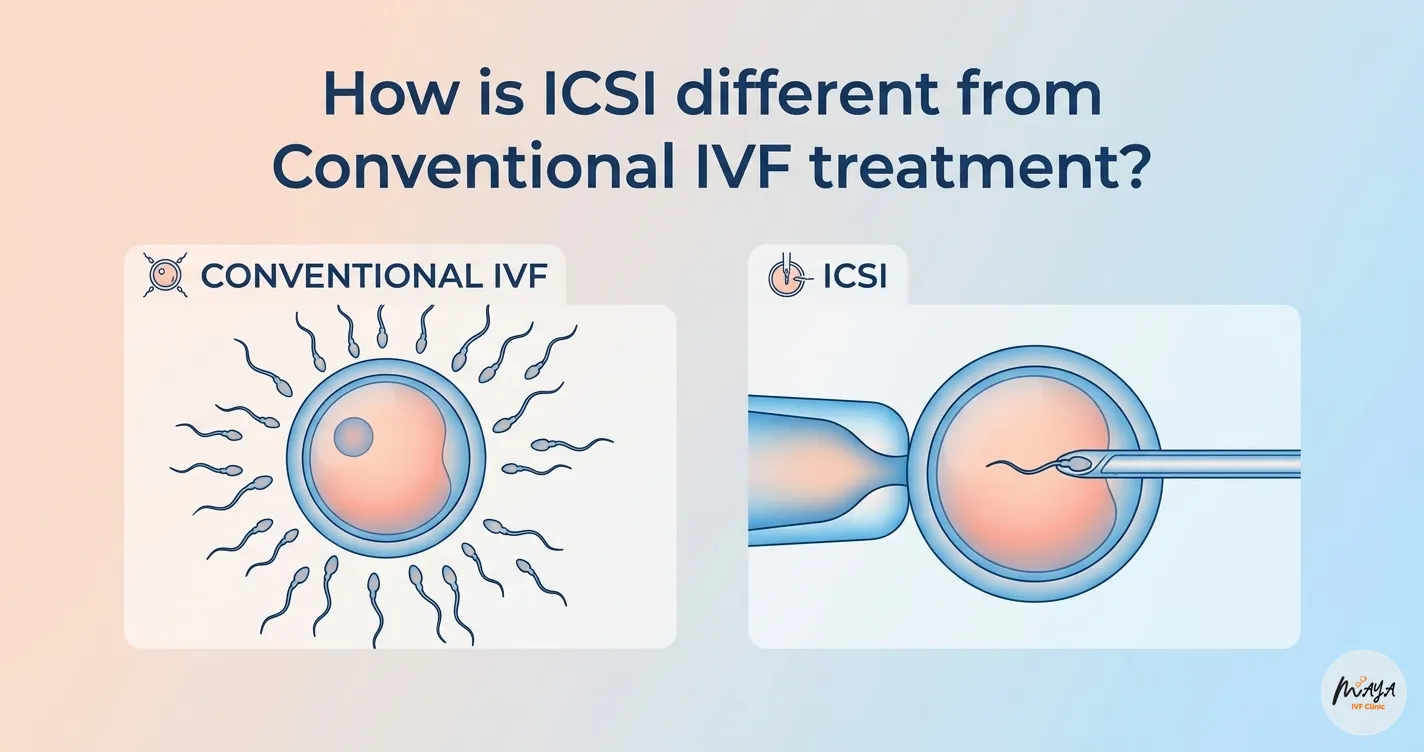
How is ICSI different from Conventional IVF treatm...
ICSI and Conventional IVF both are forms of assisted reproductive treatment (ART) in which eggs are...
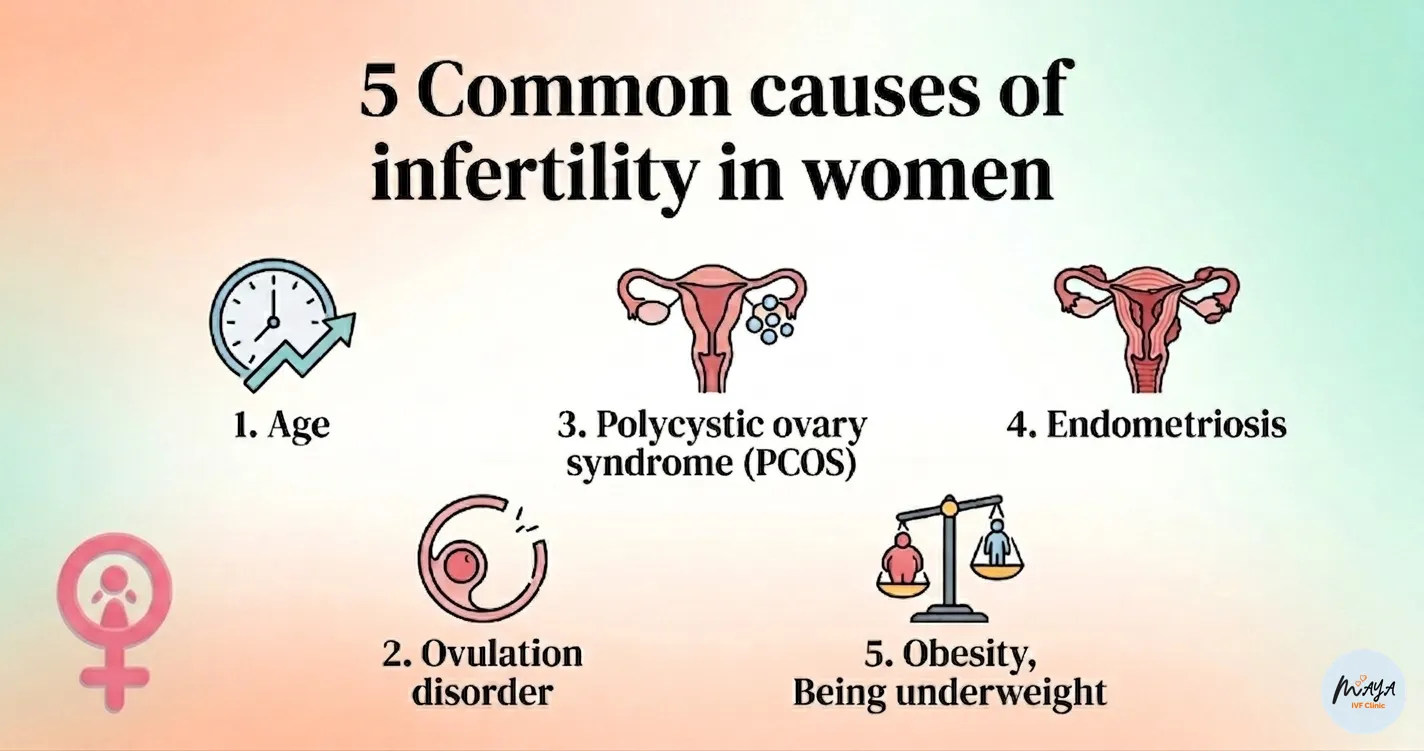
5 Common causes of infertility in women
A condition is diagnosed as infertility when a heterosexual couple is unable to conceive after one y...

 Nepal International Fertility and Laparoscopic Centre (NIFLC).
All rights reserved.
Nepal International Fertility and Laparoscopic Centre (NIFLC).
All rights reserved.